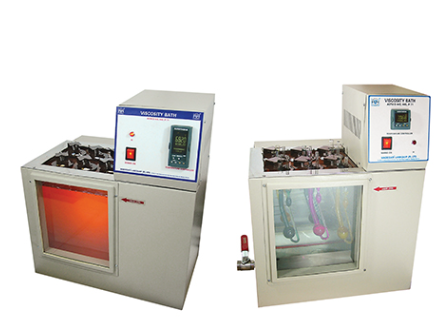
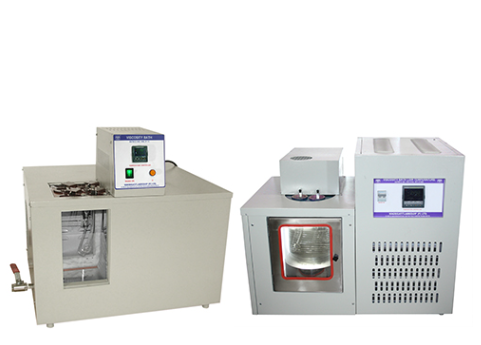
Kinematic viscosity is of primary importance in the design and selection of a wide range of petroleum products. Calibrated capillary viscometers are used…
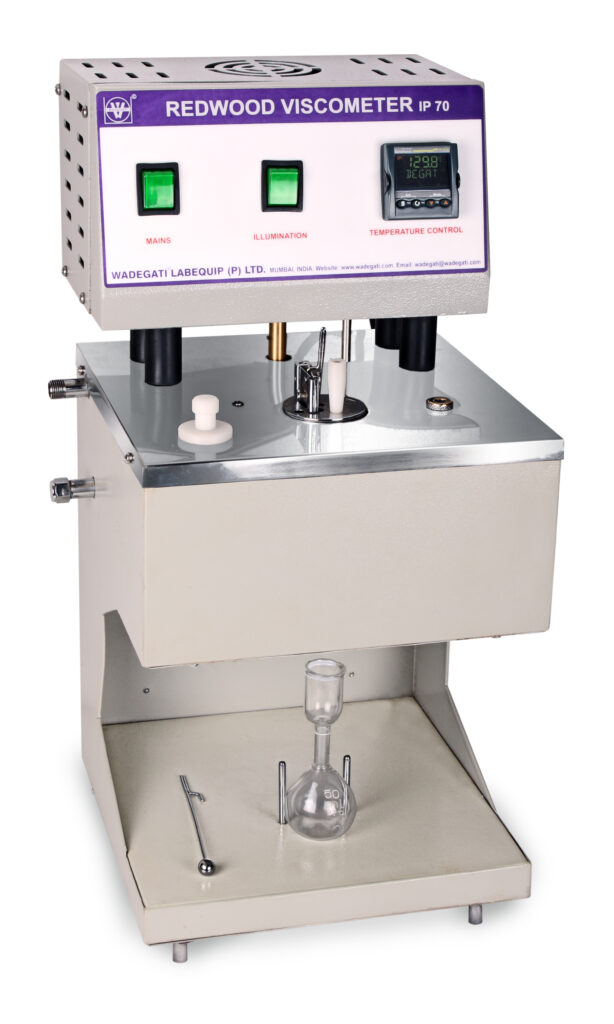
Complies with IP 70. Designed for the determination of the viscosity of lubricating oils and fuels using a stainless-steel jet. Suitable for viscosities below 2000 seconds.
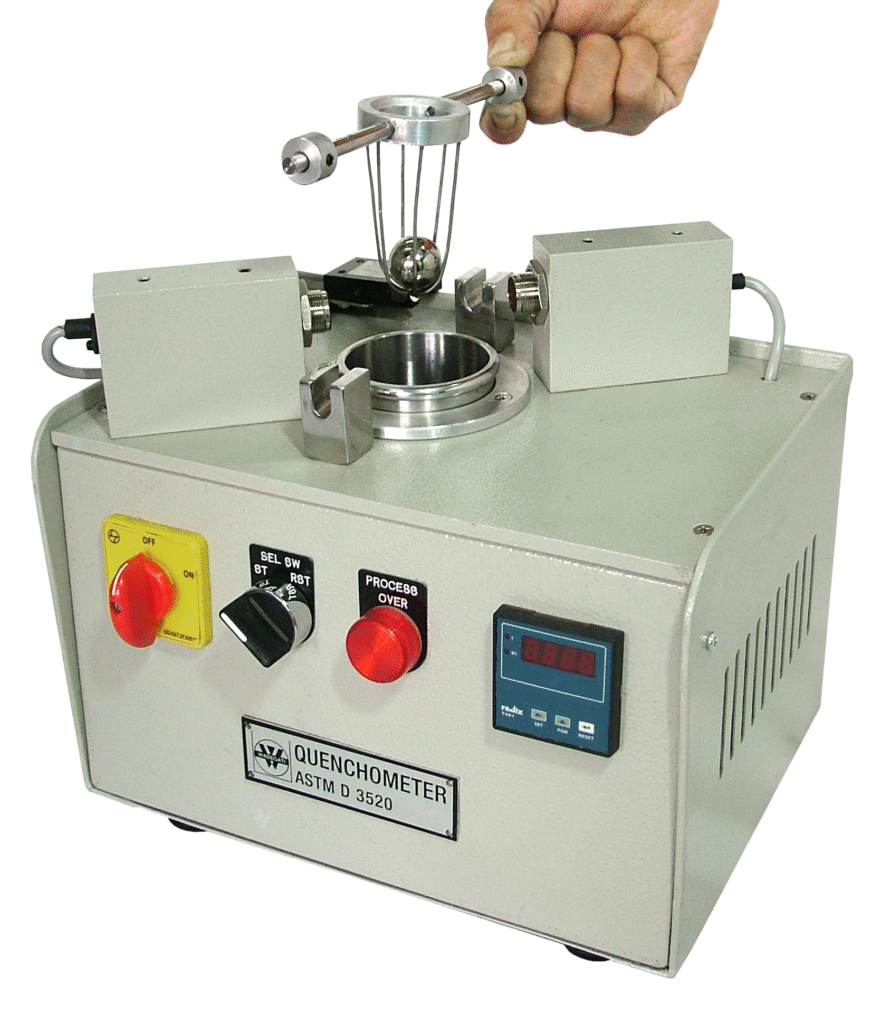
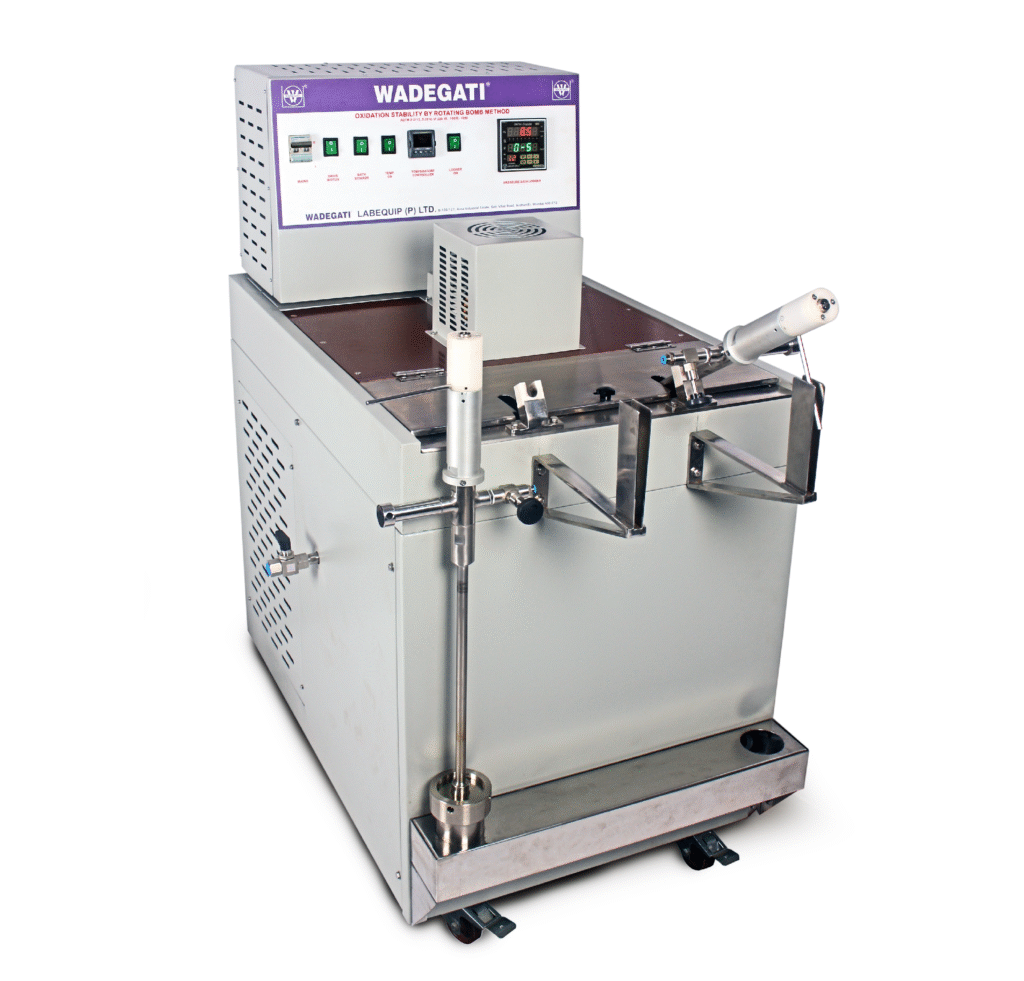
Comprises an electronically controlled furnace with a digital temperature controller, a high-grade alloy metal ball, and a thick-gauge stainless-steel vessel with magnets.
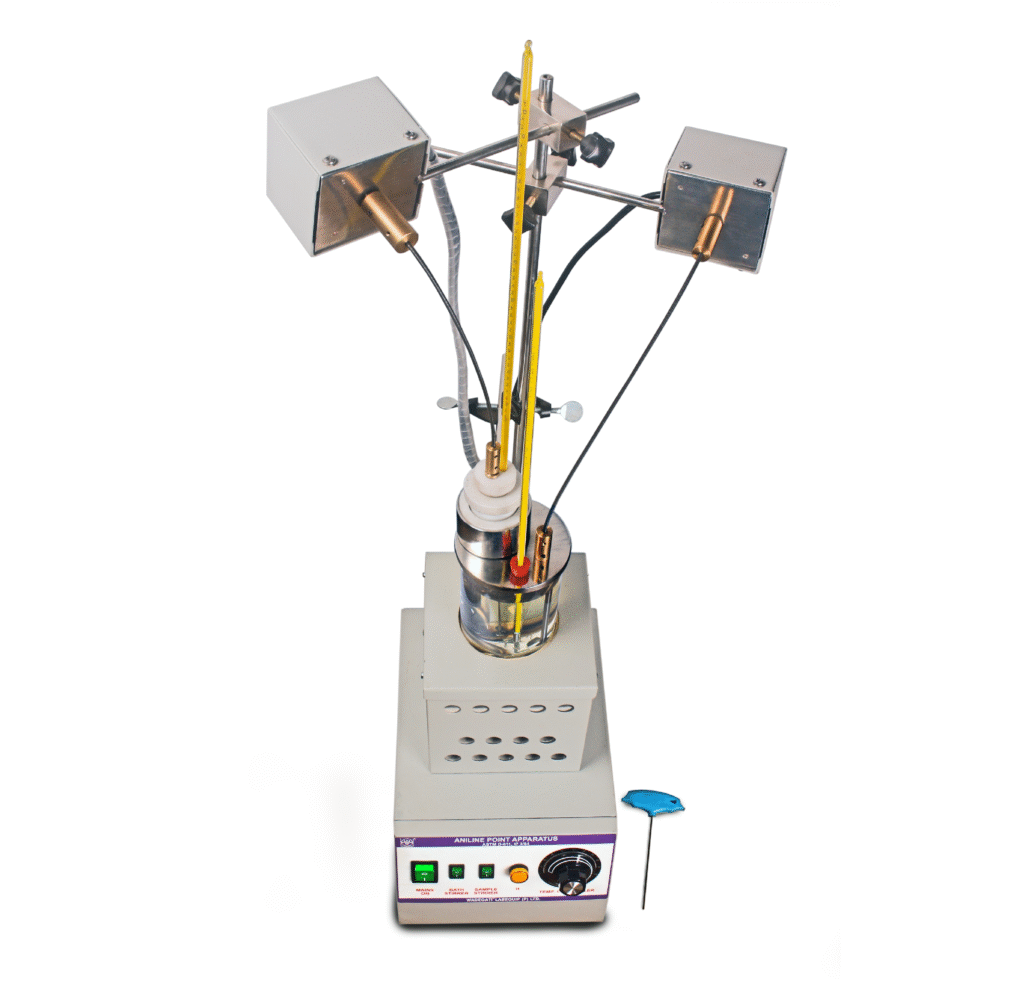
Consists of a U-tube, 400 mL borosilicate glass beaker, cover assembly with bath stirrer, sample stirrer and cooling coil, 6 V lamp with line cord, and drive motor.
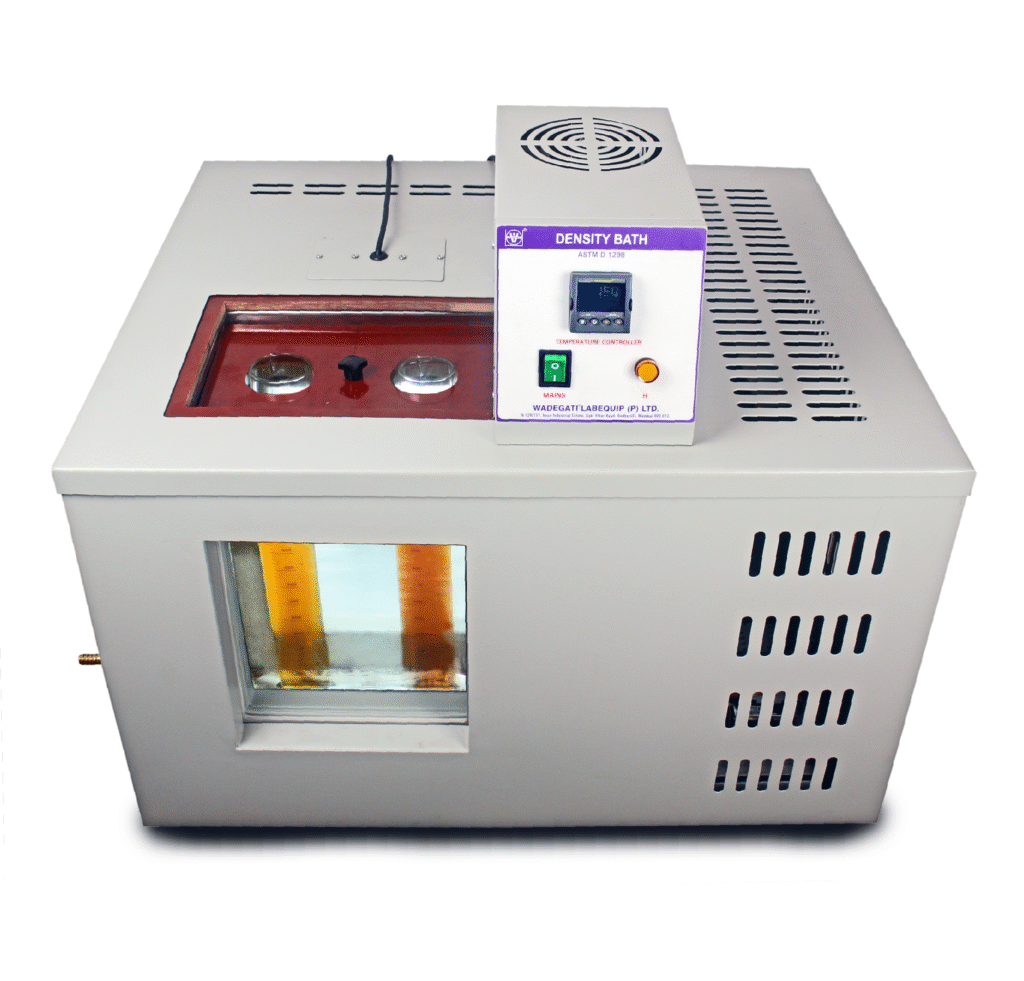
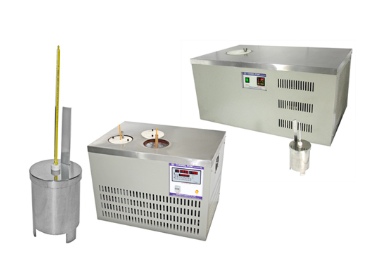
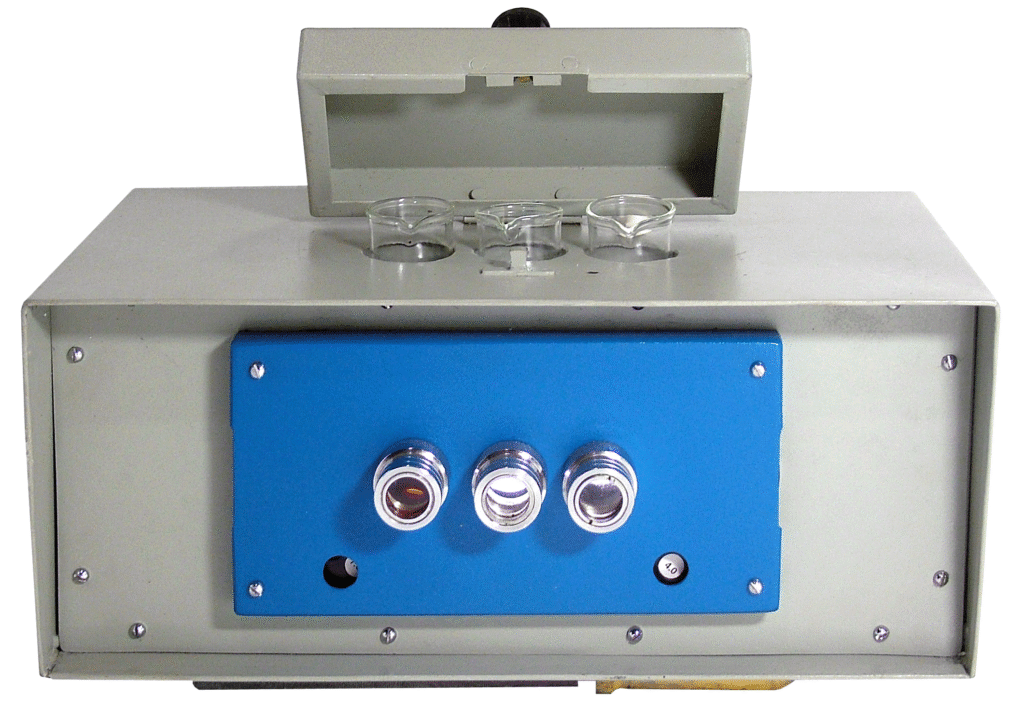
Comprises a solid block bath for five test beakers with a fully automatic digital temperature controller. The block and manifold are designed to ensure…
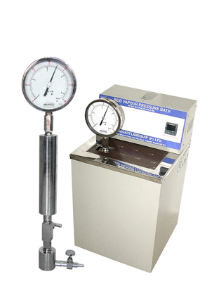
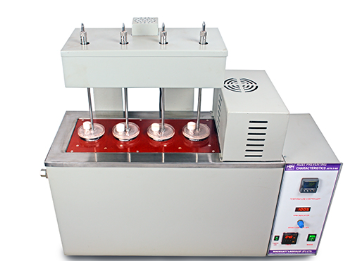
Bath for double test with Micro-PID digital temperature controller. The bath depth will be such that, the vapour pressure bomb is immersed to at least 25mm above the top of air chamber.
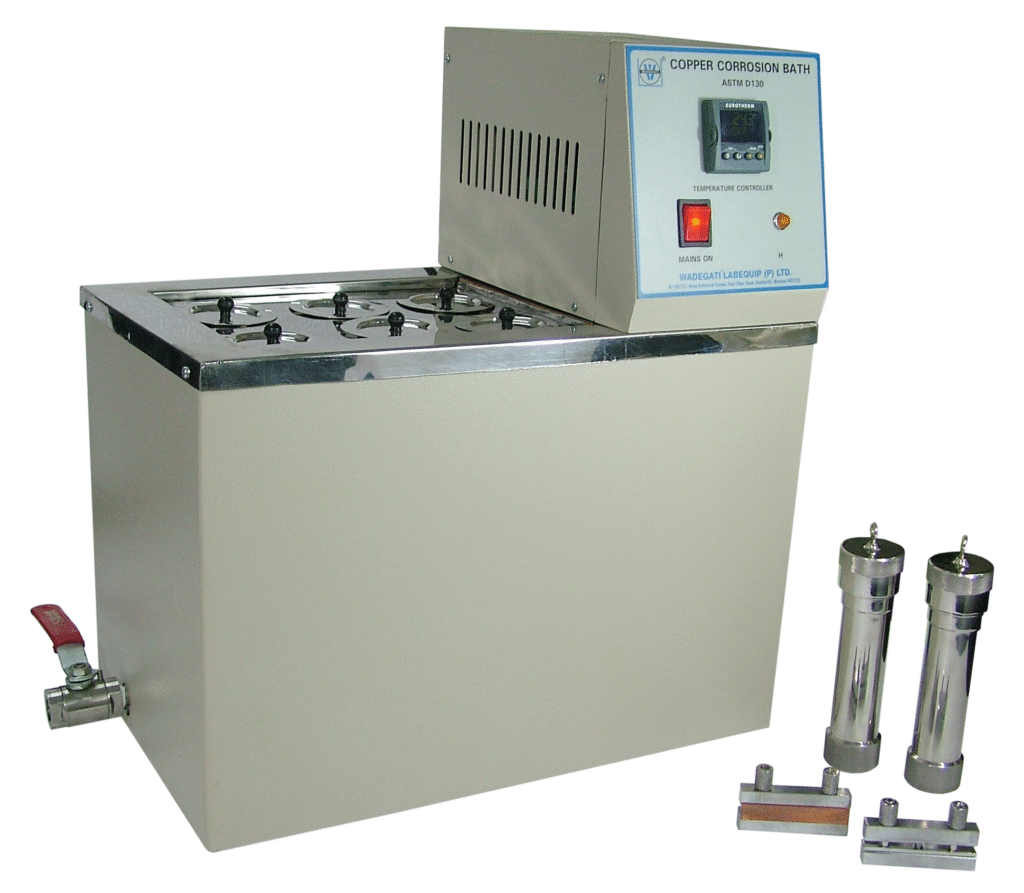
The copper strip tarnish test assesses the relative degree of corrosivity of petroleum products, including aviation fuels, automotive gasoline, natural gasoline…
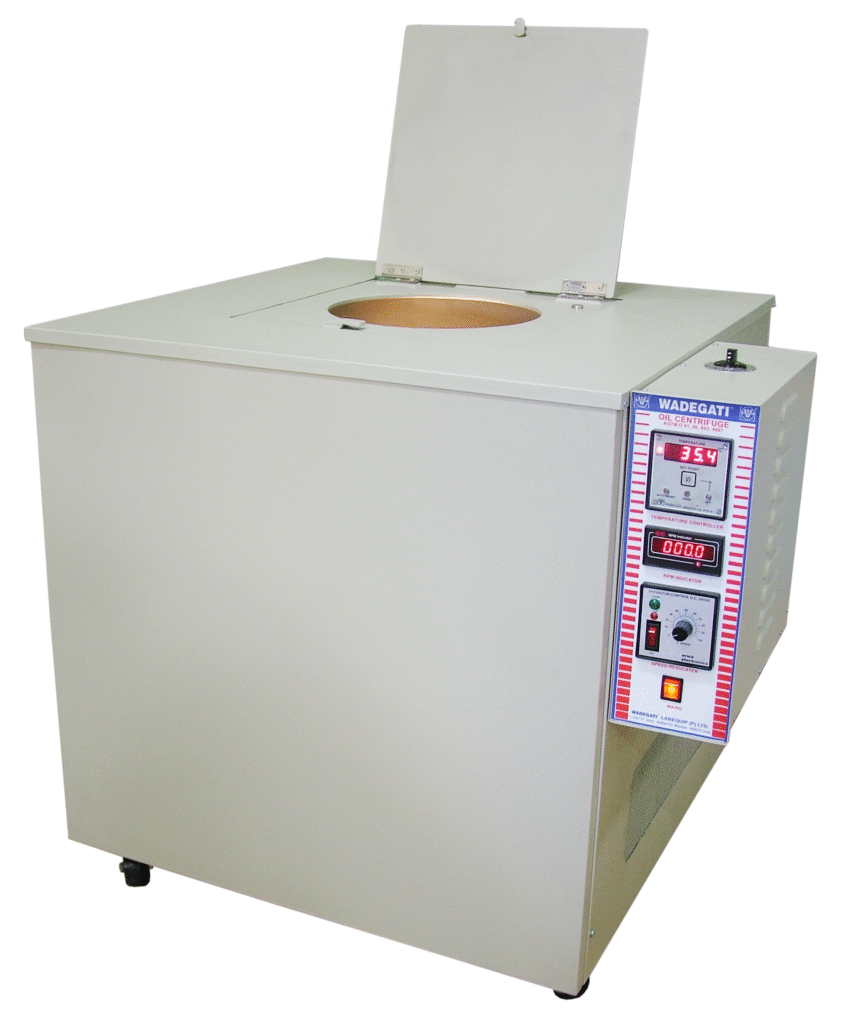
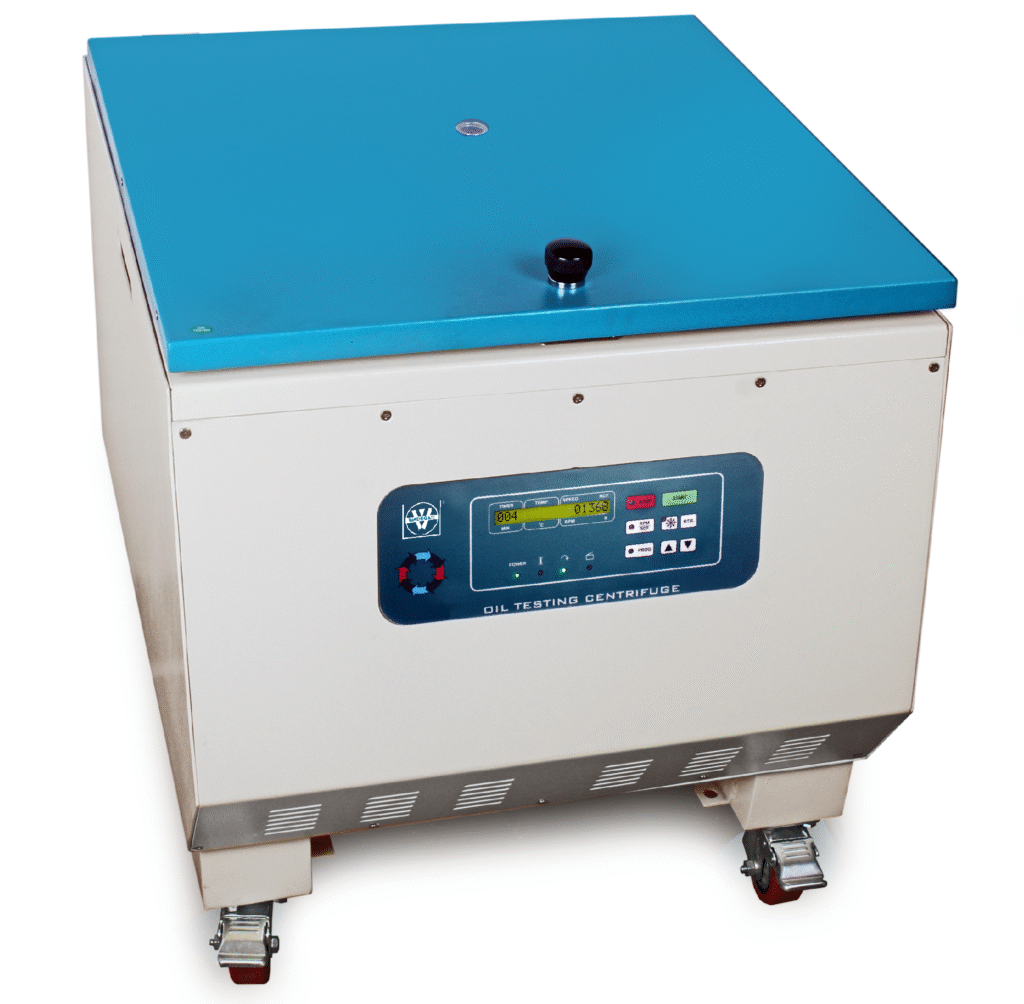
Centrifugation provides a convenient means of determining sediment and water content in crude oil, fuel oils and middle distillate fuels. Also used in…
Comprises a coking furnace with five bulb wells (four for coking bulbs and one for the control bulb). Temperature is accurately controlled and maintained by a fully…
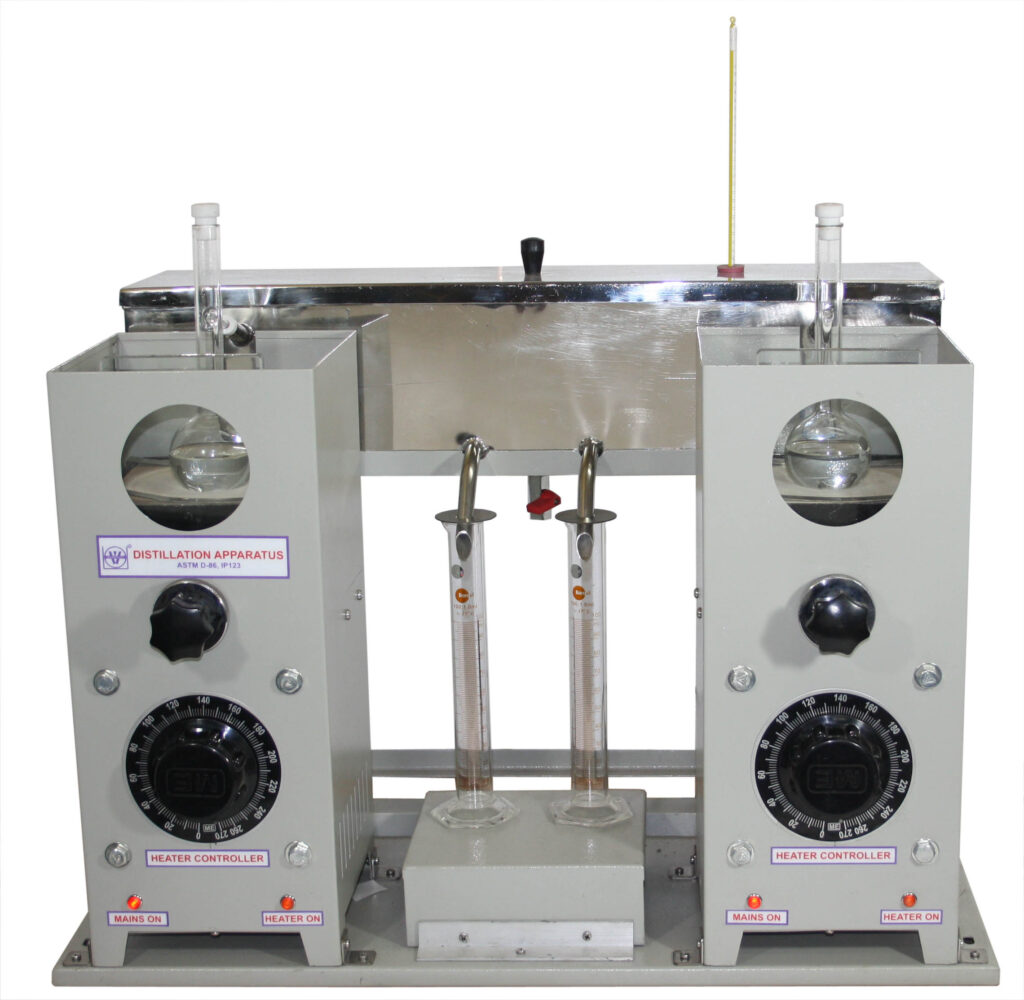
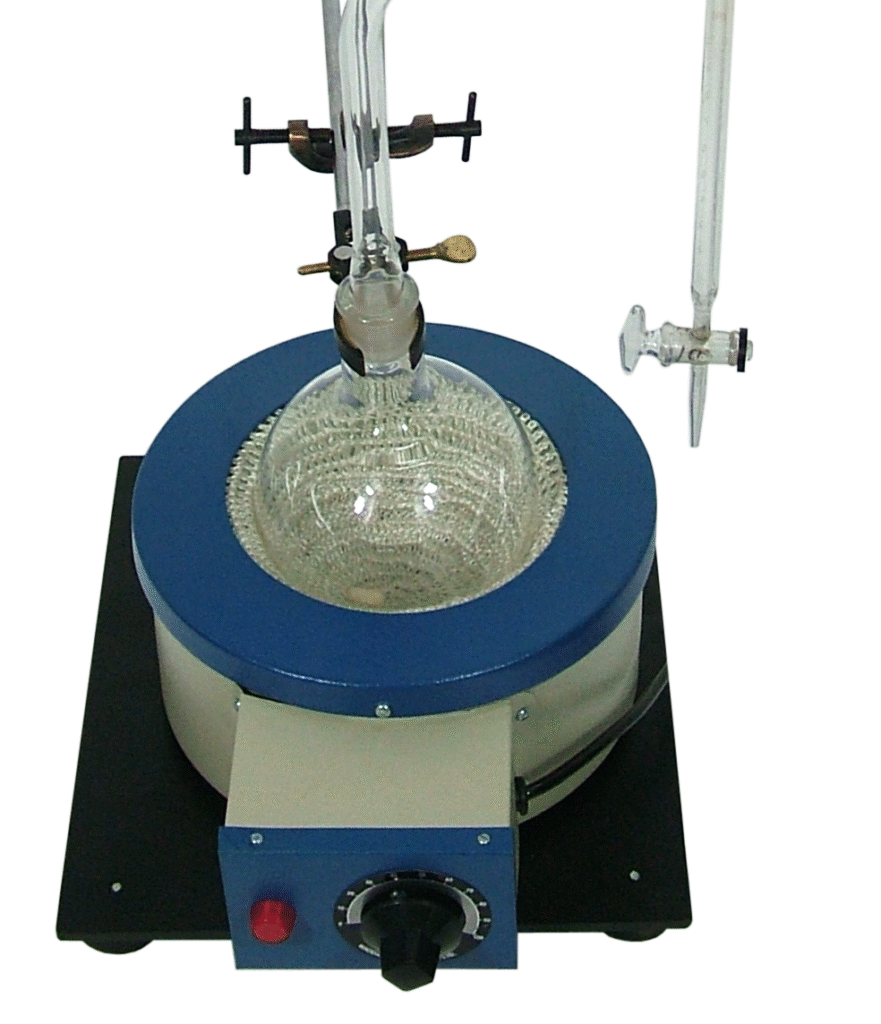
Designed for IP 123 testing, with an electric heating assembly, copper-coil-type voltage variac temperature controller, non-refrigerated cooling bath, and 125 mL distillation flask…
This test method determines the amount of carbon residue formed after evaporation and pyrolysis of petroleum materials under specified conditions and is intended…
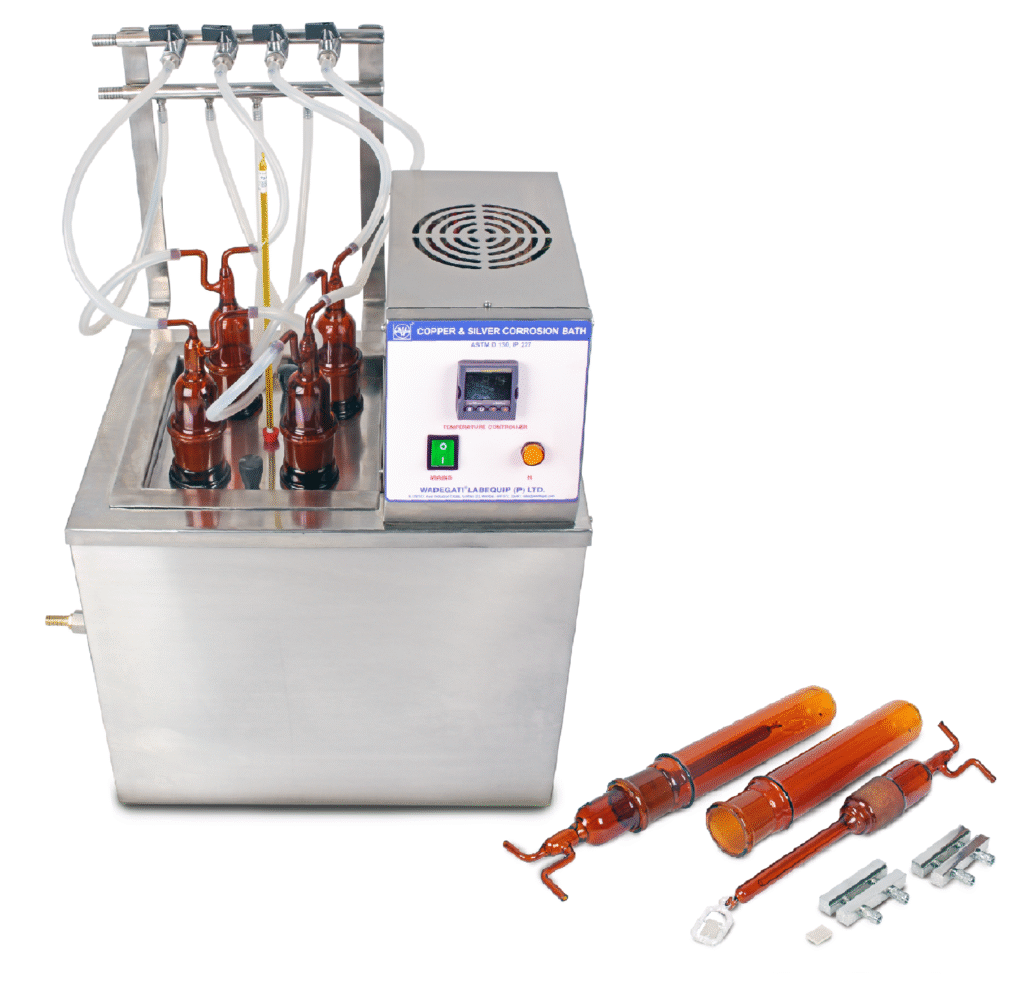
As per IP-227 & ASTM D-4636 Made up of 304 AISI stainless steel for 4 samples. Amber coloured test tube & Cold Finger Condenser made of heat resistant borosilicate glass with hook & cradle…
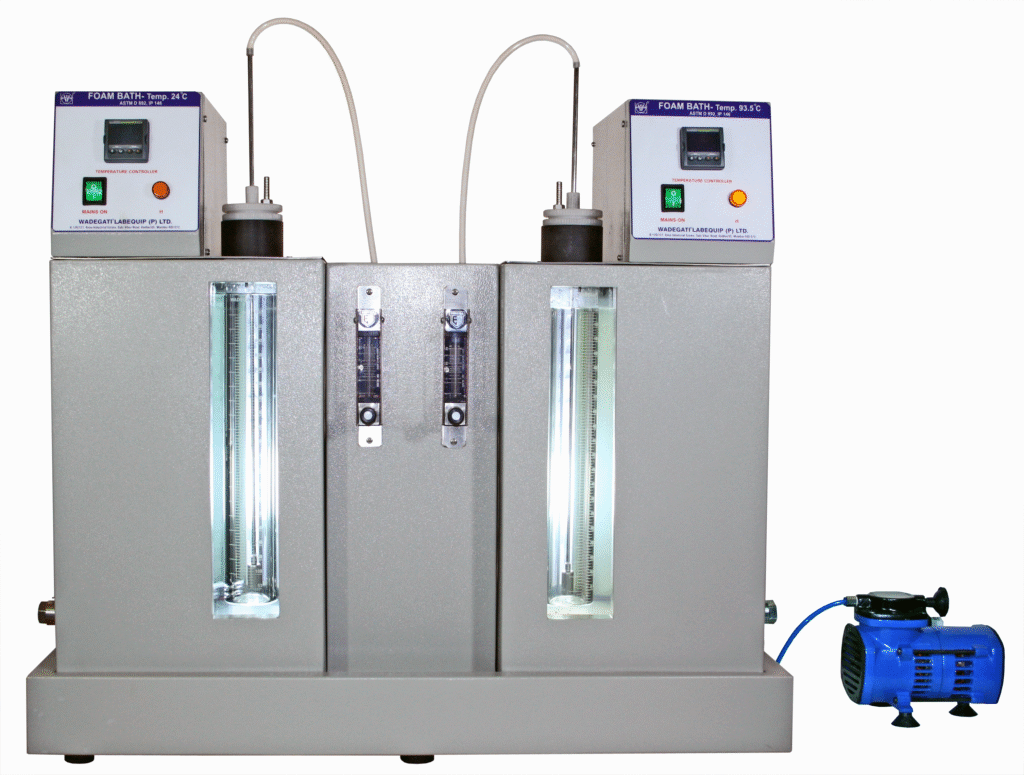
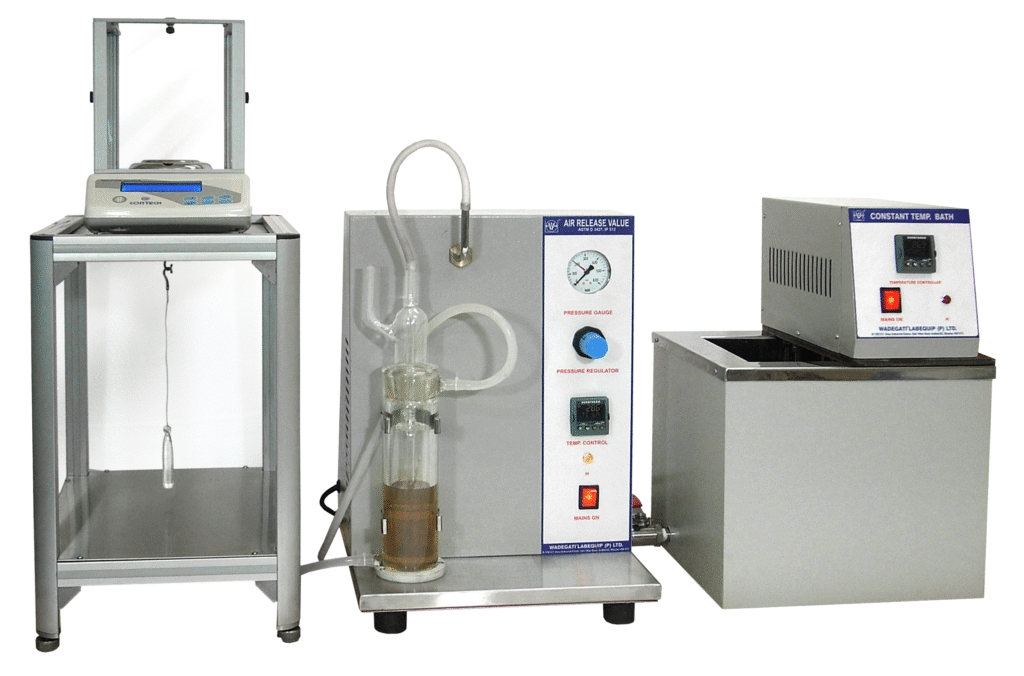
Foaming of lubricating oils in applications involving turbulence, high-speed gearing, or high-volume pumping can cause inadequate lubrication and cavitation.
The ability of a lubricating oil to separate from water and resist emulsification is an important performance characteristic for applications involving water contamination and turbulence.
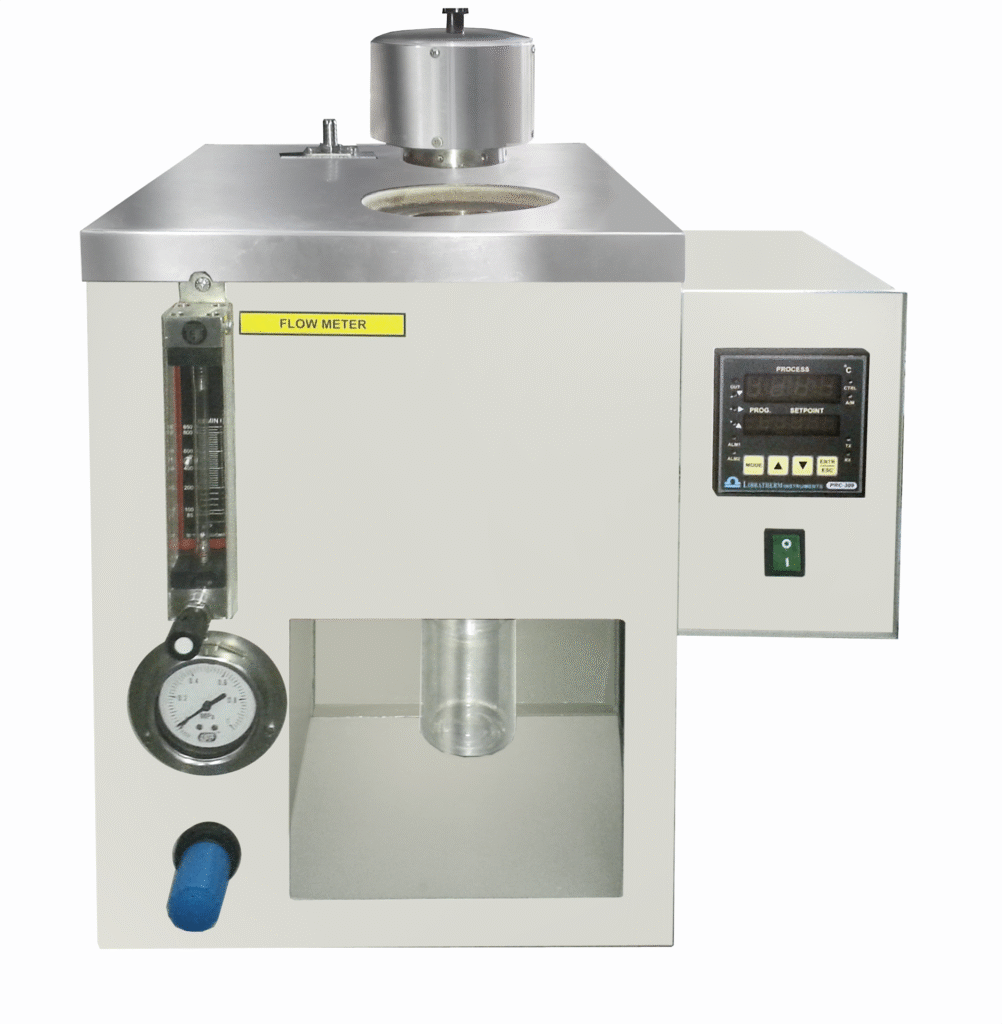
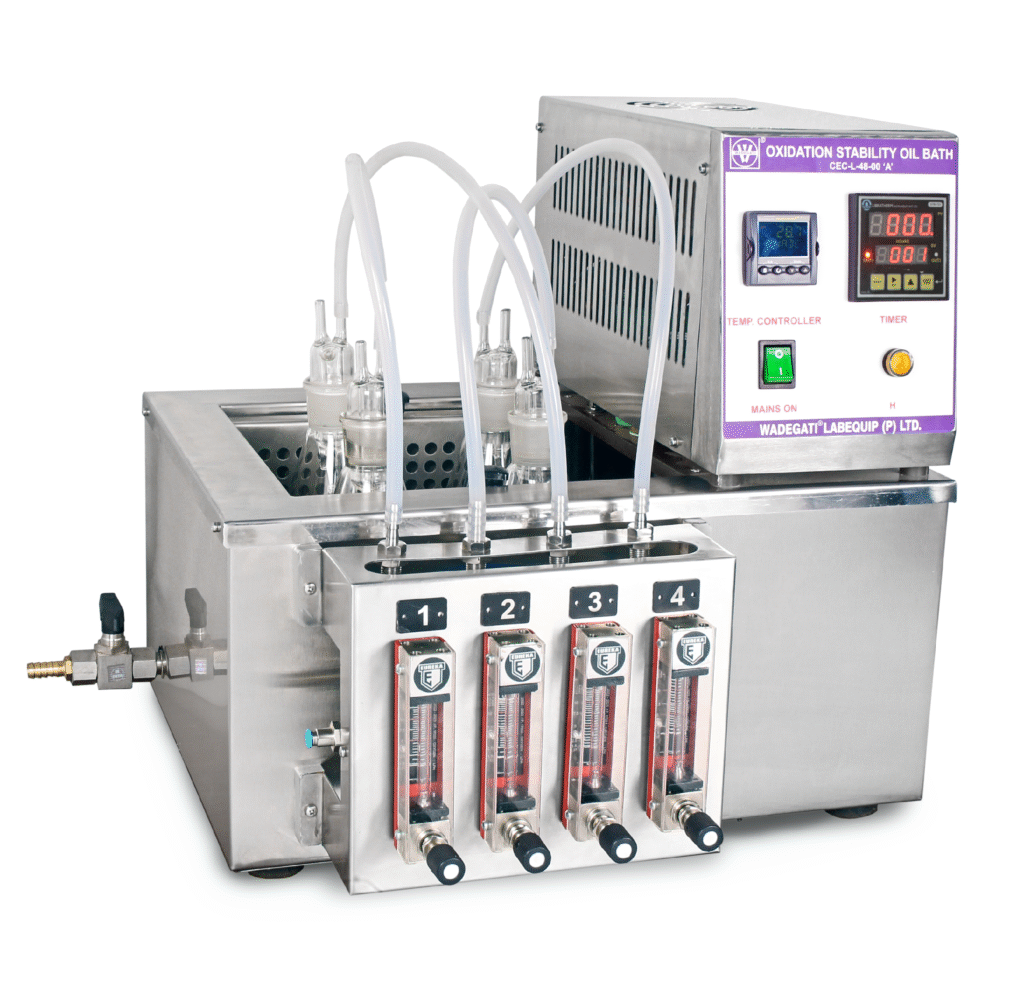
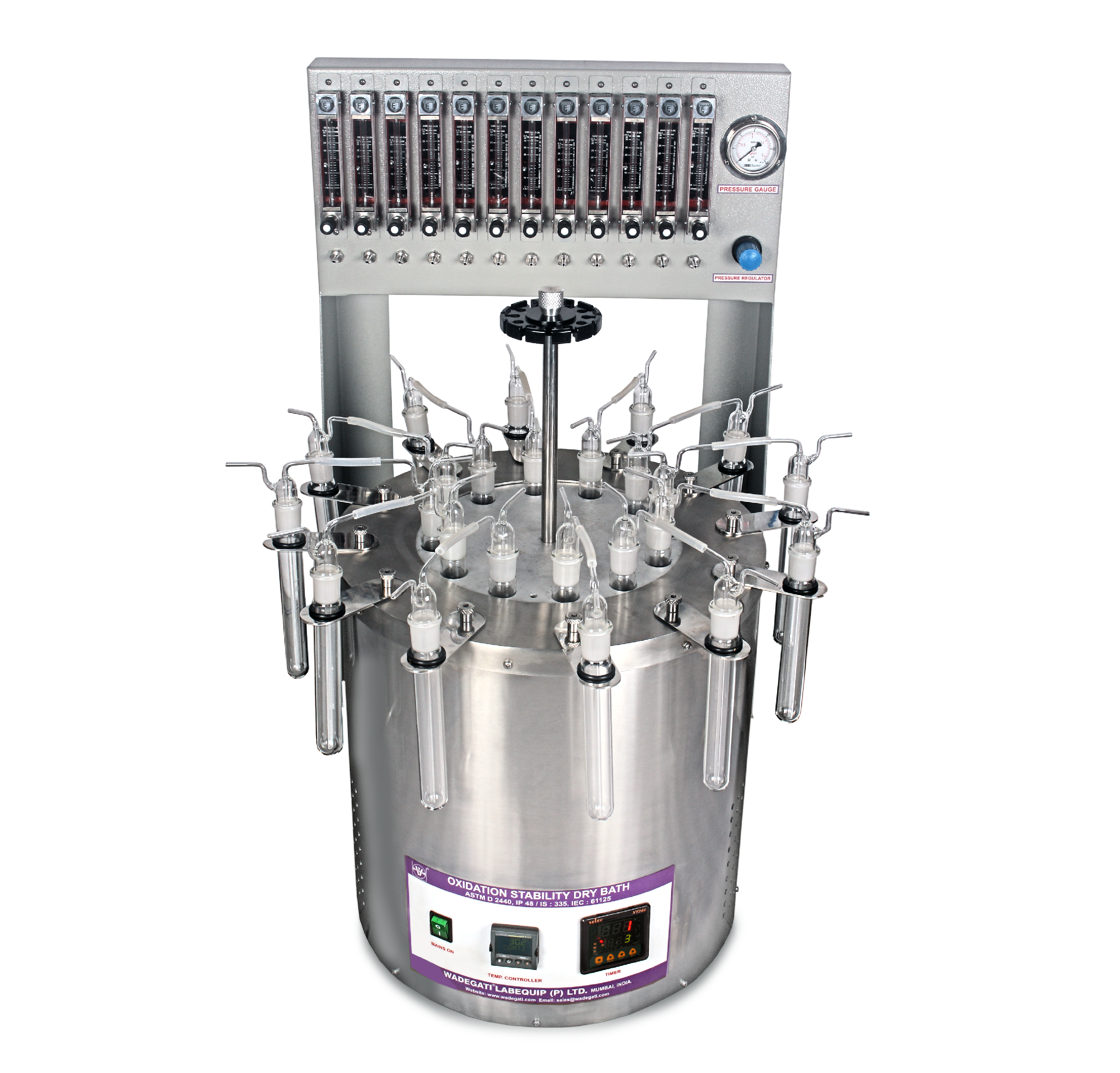
Oxidation stability is determined by exposing the sample to a measured oxygen flow at elevated temperature in the presence of metal catalysts. Complete with solid aluminum…
Comprises a solid block bath for five test beakers with a fully automatic digital temperature controller. The block and manifold are designed to ensure…
Evaluates the rust-preventive characteristics of steam turbine, hydraulic, and gear oils in the presence of water. Designed for reliable lubricant performance testing under controlled conditions.
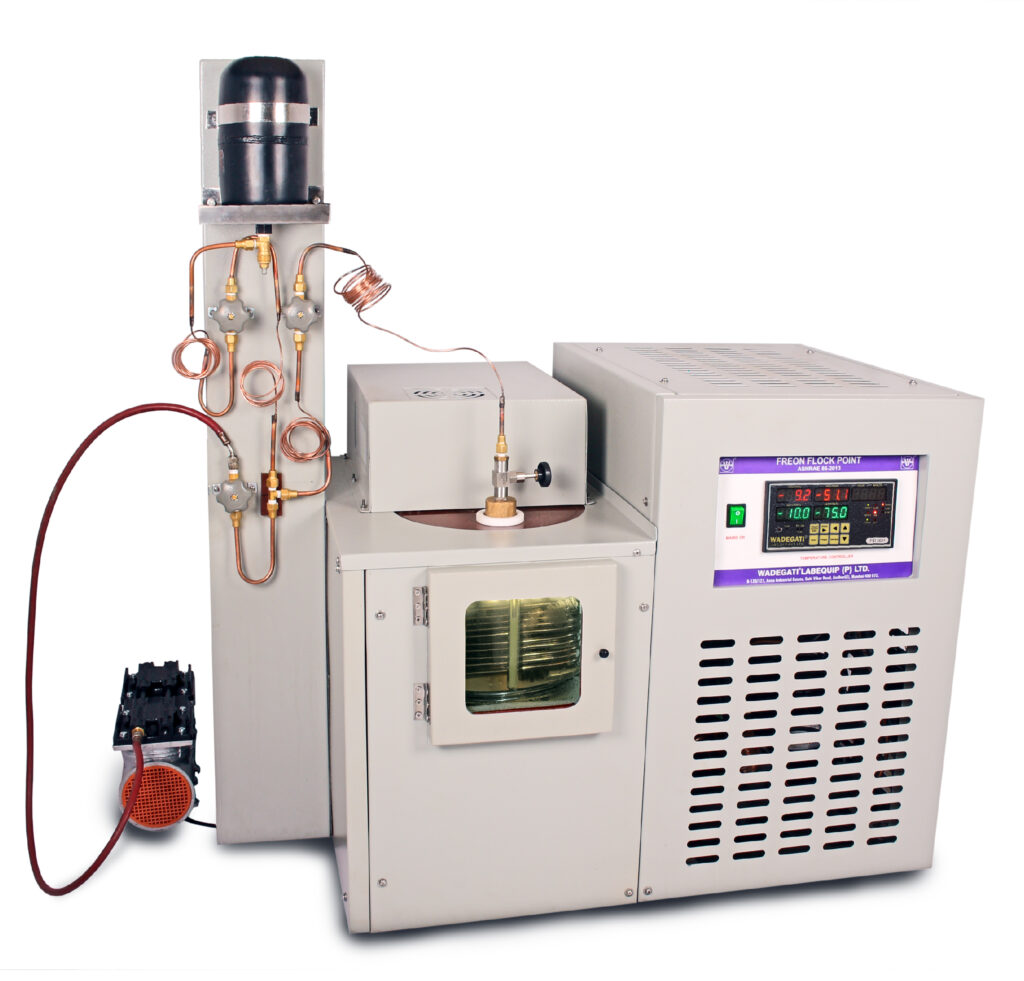
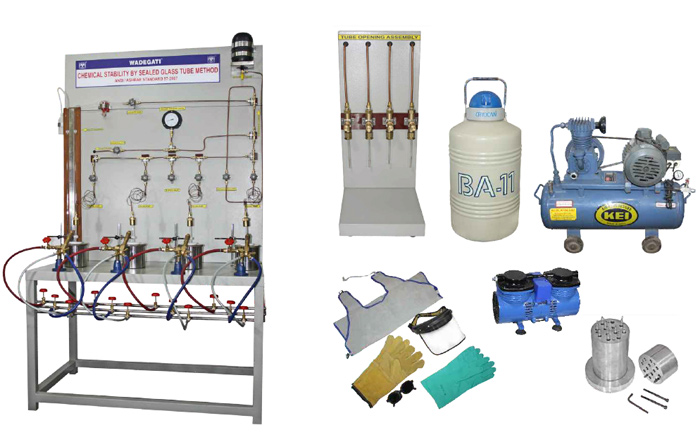
The sealed tube containing refrigerant, lubricant, and metal components is maintained at an elevated temperature. The contents of the tube are evaluated quantitatively or qualitatively…
Colour comparator box with two numbered colour discs and artificial daylight, as specified by the relevant test method. The box is made of epoxy powder-coated material
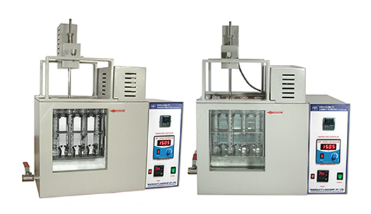
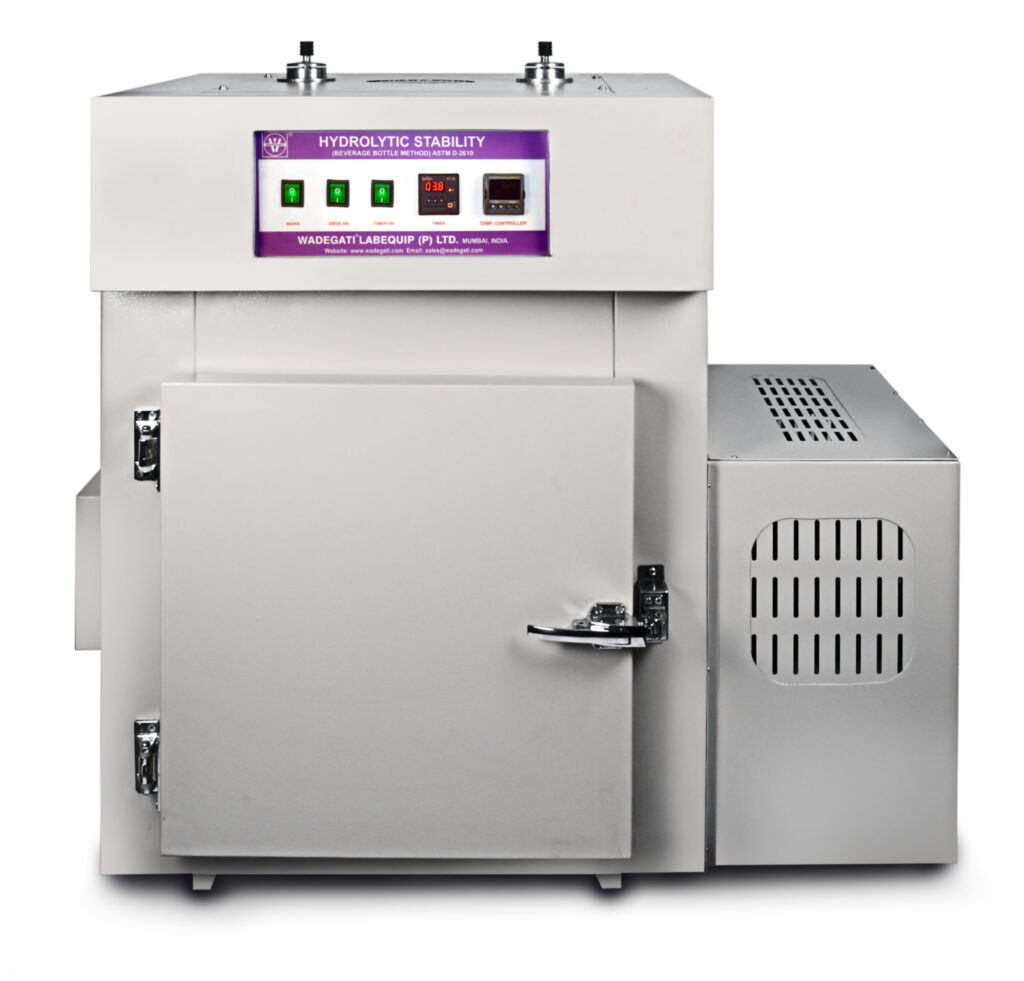
This test method covers the evaluation of the rust-preventive properties of metal preservatives under conditions of high humidity. The apparatus includes a rectangular, digitally controlled constant-temperature water bath.
Impinger method. Electronic digital temperature control. Pressure gauge with needle valve. Fixtures for the test vessel. Pre-heating oven with a 20-litre capacity. Circulation bath with an external circulation device.
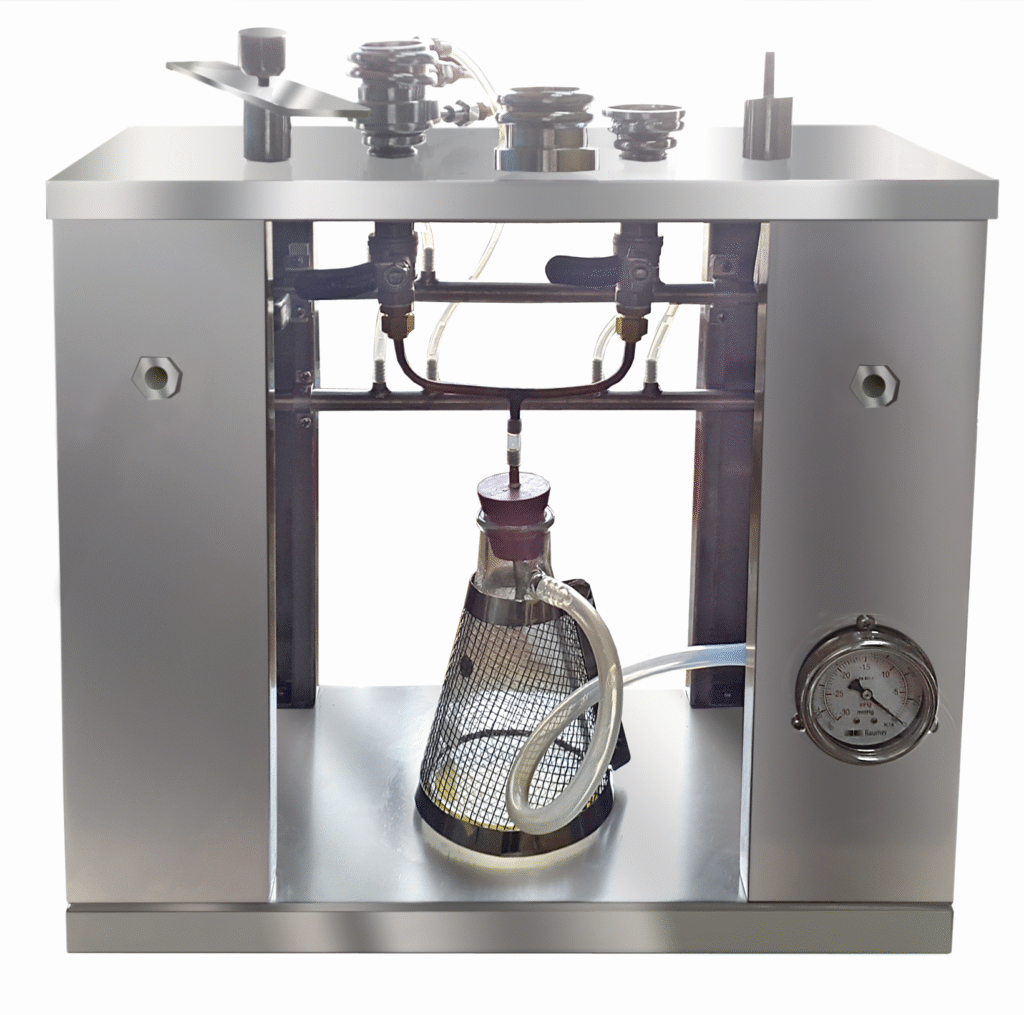
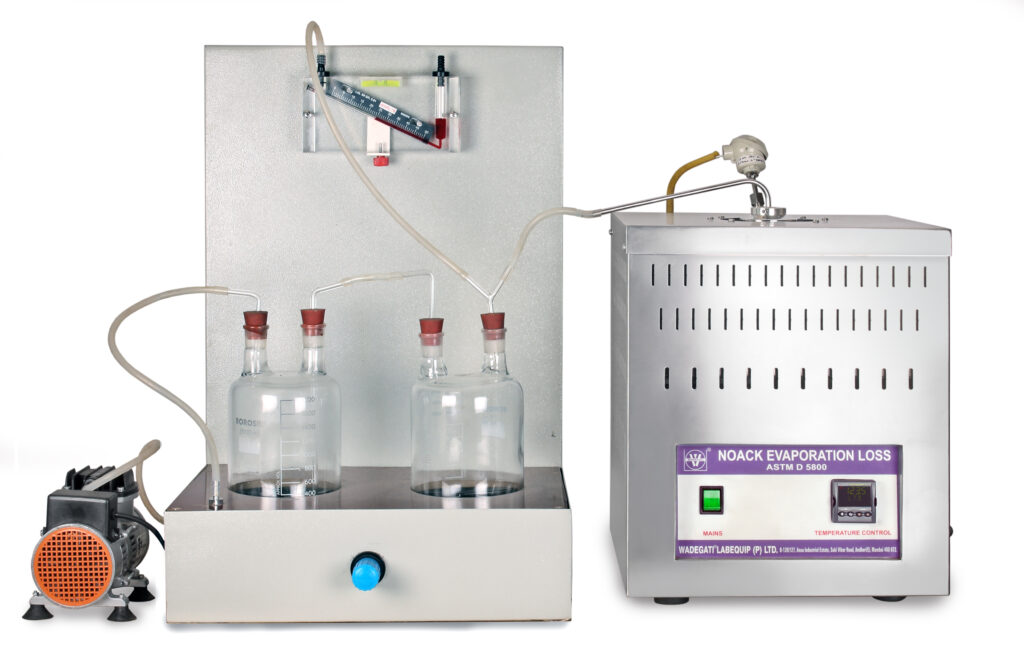
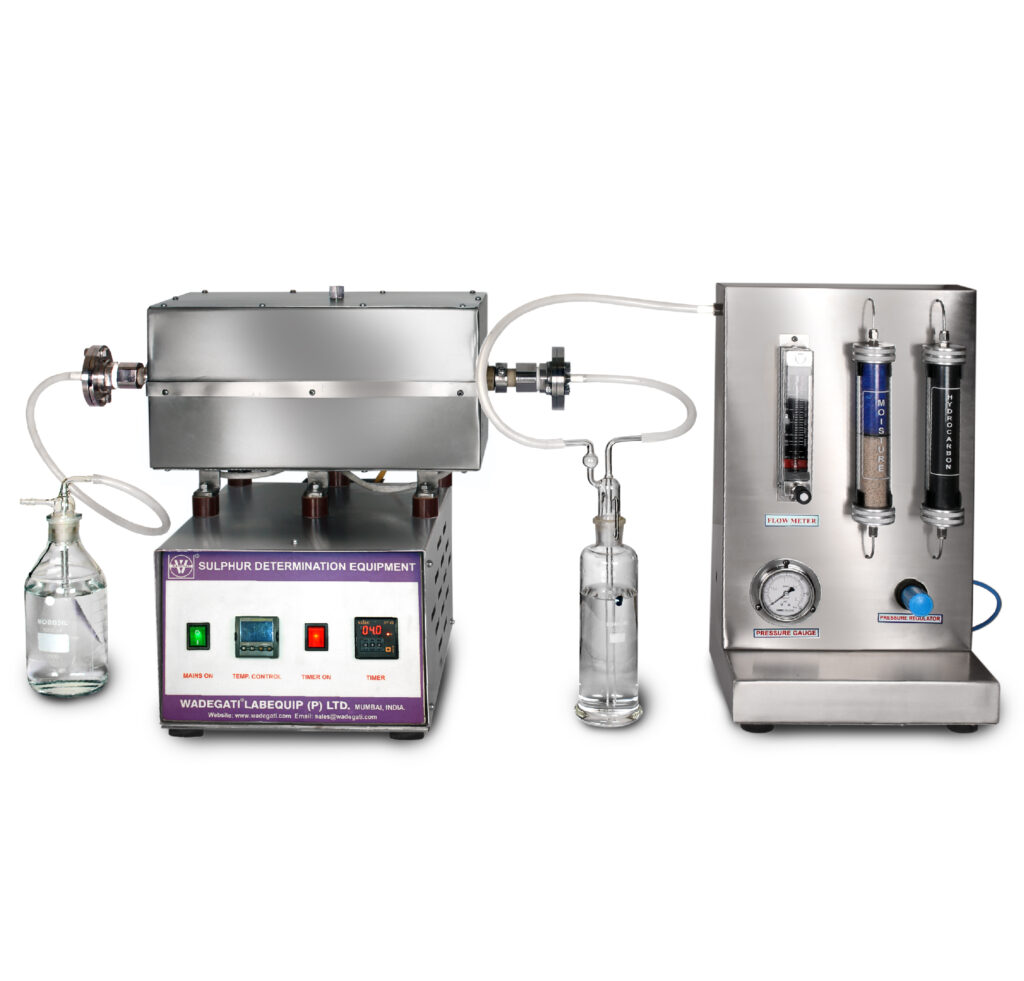
The equipment consists of a tube furnace and a microprocessor-based digital temperature controller. It includes inlet and outlet silicone tubing with a pressure-reducing conical flask.
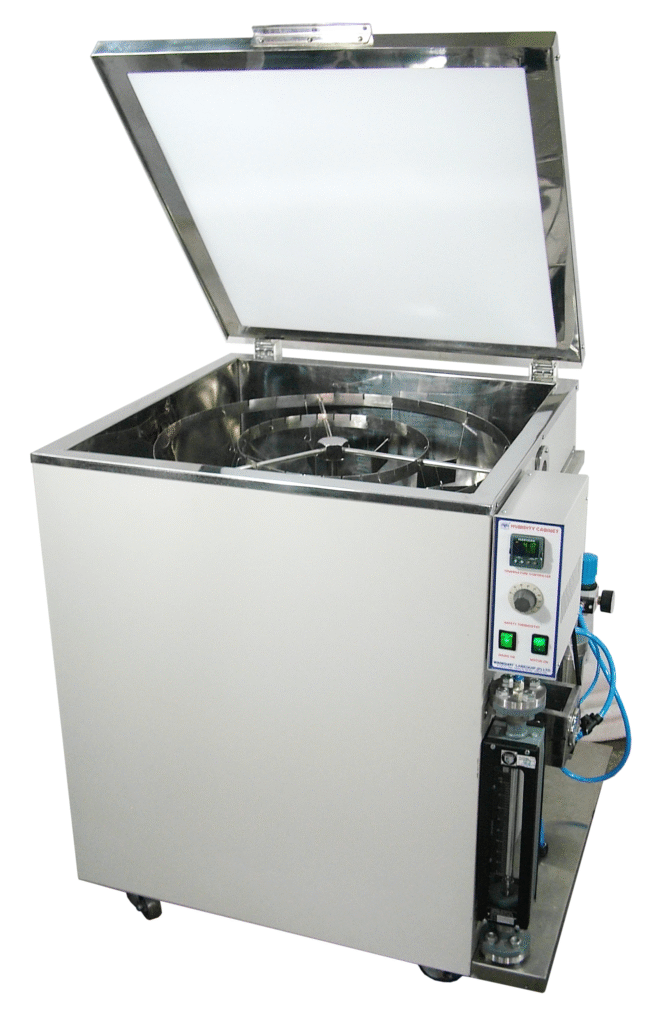
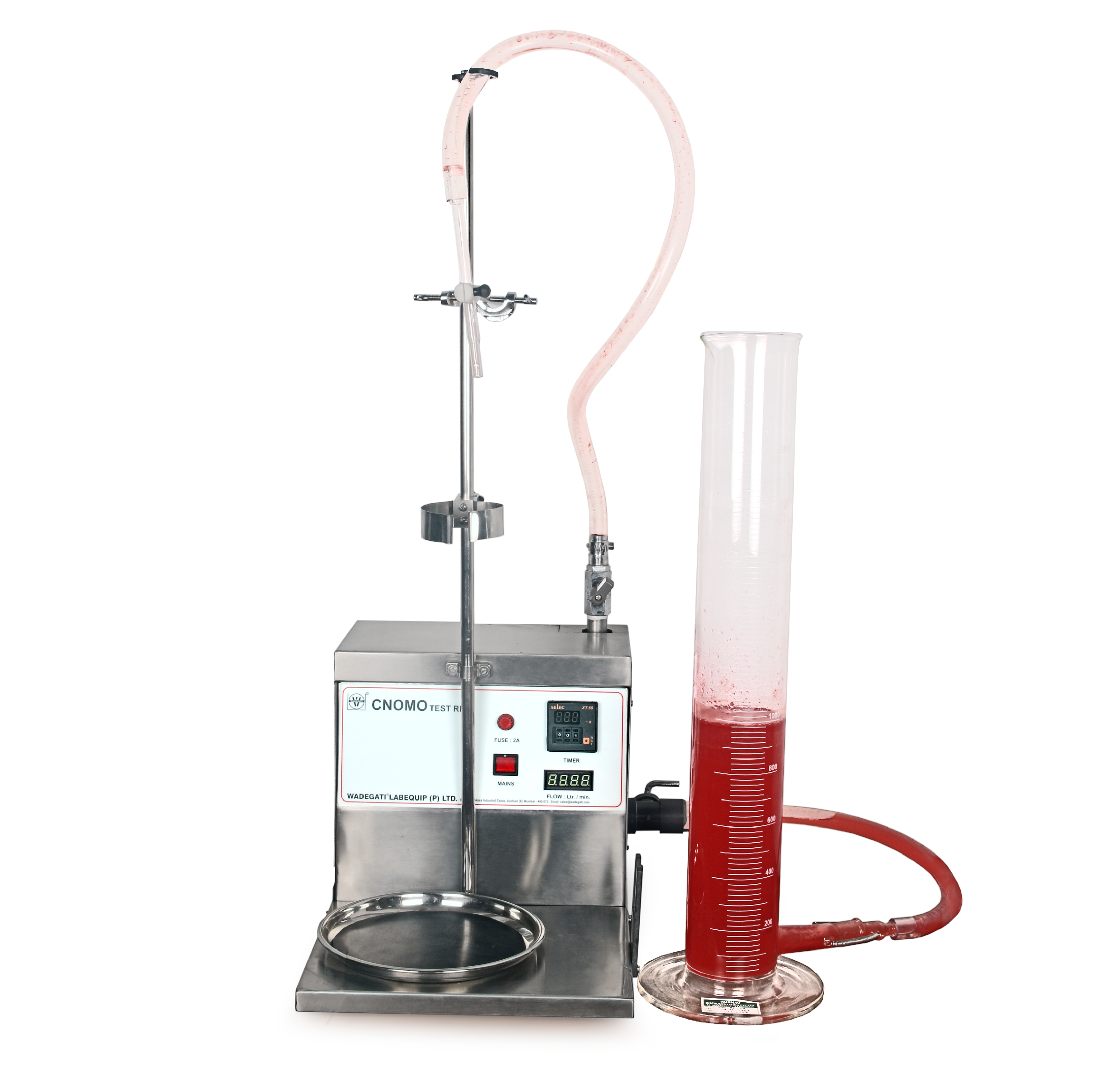
Application: To determine the tendency of an emulsion or solution to foam in oil industries. Antifoam CNOMO Recirculation Test Apparatus — 3-Station Unit.
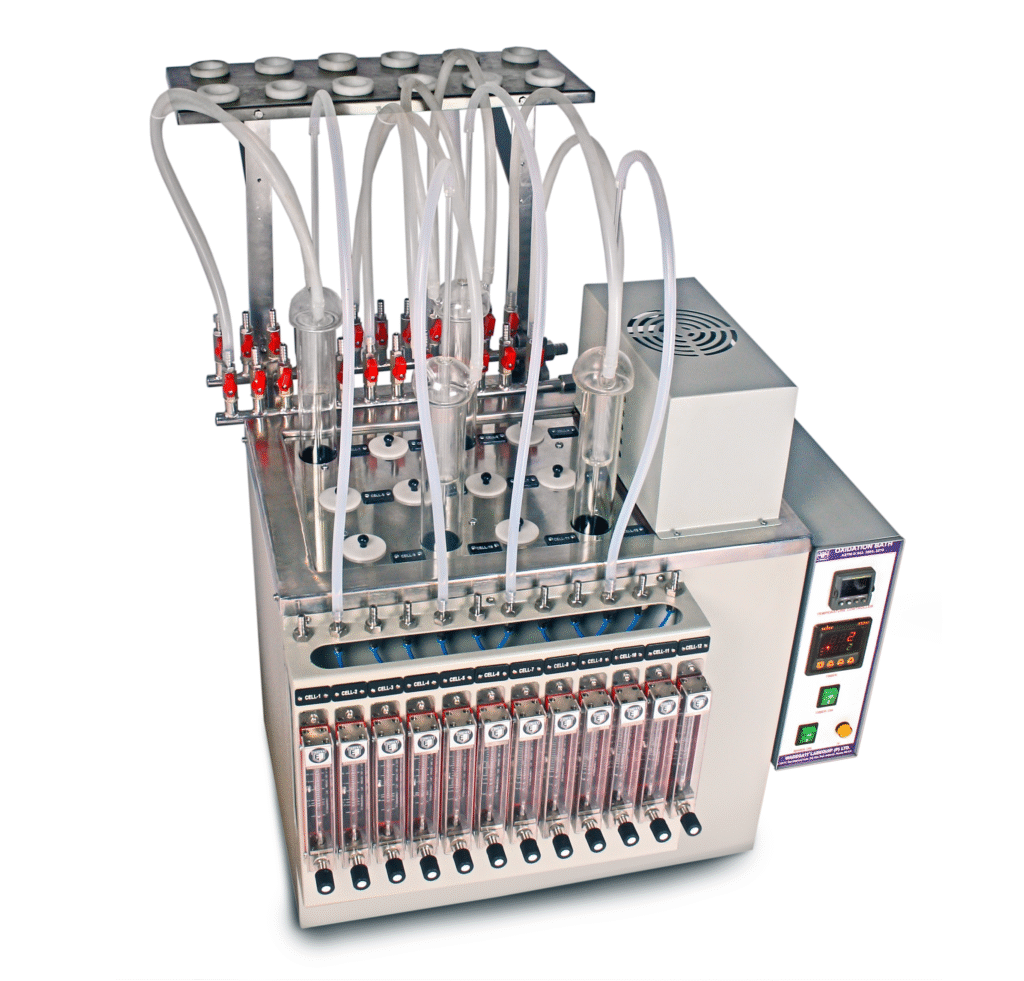
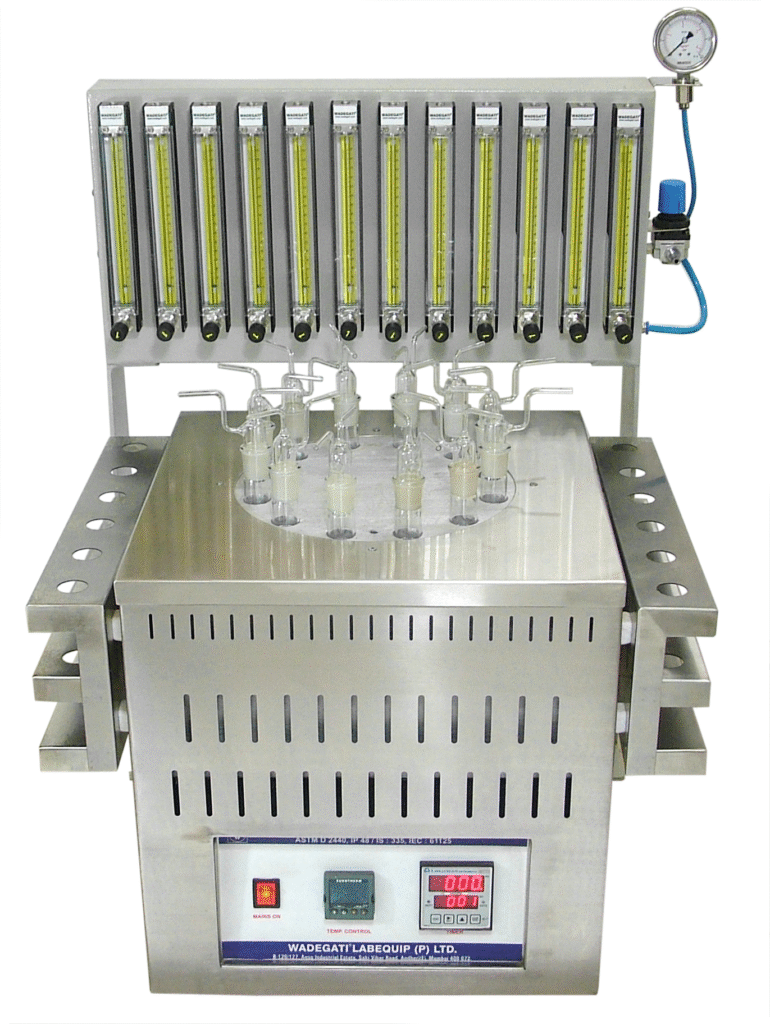
Engineered and designed with 12 precisely machined holes to accommodate oxidation and absorption tubes, leaving minimal air space around the test cylinders
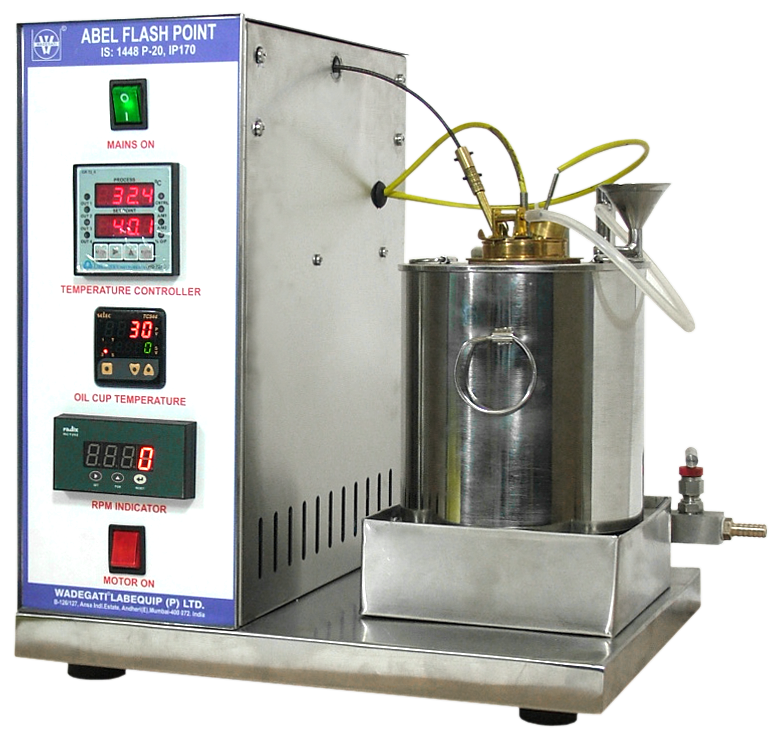
Dual-speed deluxe model with oil cup, lid, and gas ignition device. Electrically driven stirring device with dual-speed operation at 90–120 rpm and 250 rpm.
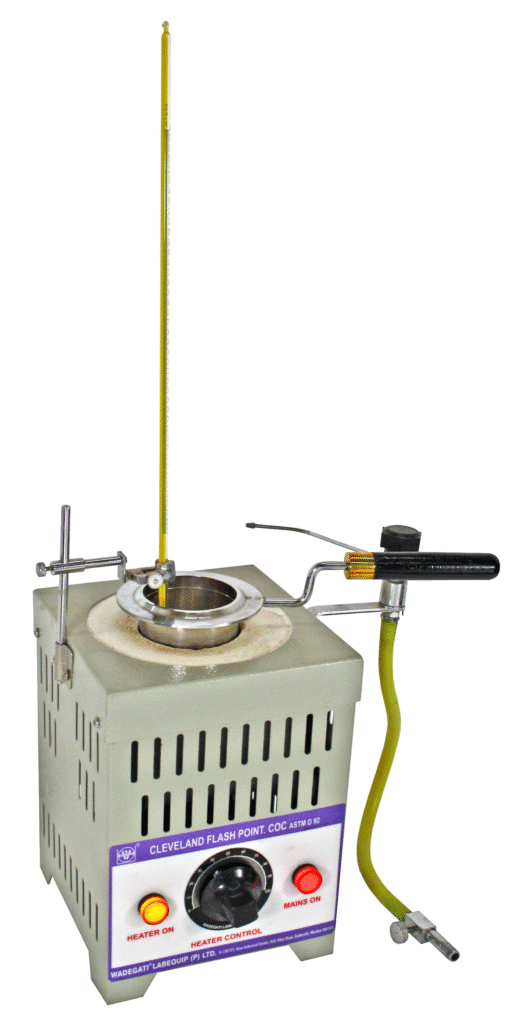
Open-cup design with a heated air bath, temperature controller, and gas regulator. Test assembly includes an oil cup, gas ignition device, and lifting handle.
Since 1985, Wadegati Labequip has manufactured and exported ISO-certified laboratory and R&D testing equipment for the pharmaceutical, petrochemical and chemical industries worldwide.